Our older vintages
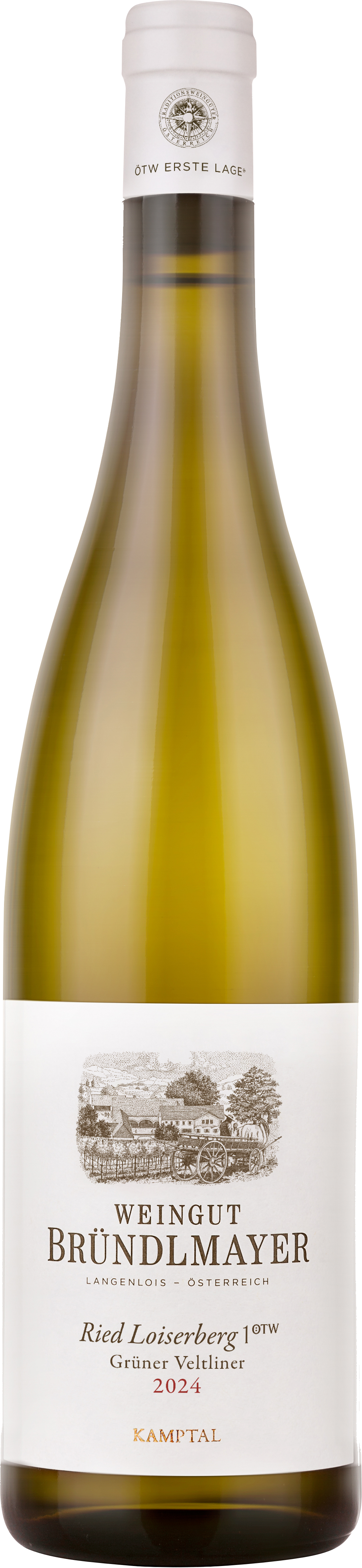
Ried Loiserberg
Grüner Veltliner
2024
1ÖTW Erste Lage Kamptal DAC


Light yellow-green with silvery highlights. Delicate herbal notes, subtle hints of lime, tobacco-like nuances, green apple, white pome fruit, and mineral character. Good complexity, fresh and lively, salty, with a multifaceted acidity profile, apple fruit on the finish, and a mineral aftertaste—a versatile pairing for meals.
This wine derives from a vineyard on the “Loiserberg” wherein one also finds the site “Berg Vogelsang”. The difference is that the Grüner Veltliner from “Loiserberg” grows on a south to southeast facing slope, which is less exposed to the winds. The soil stems from primary rock geologically defined as zoisite-amphibolite, which is decomposing granite consisting of gneiss, mica-schist, and some clay and loess.
Awards
- 93/100
- Falstaff Weinguide 2025/26
Site and climate
Ried Loiserberg
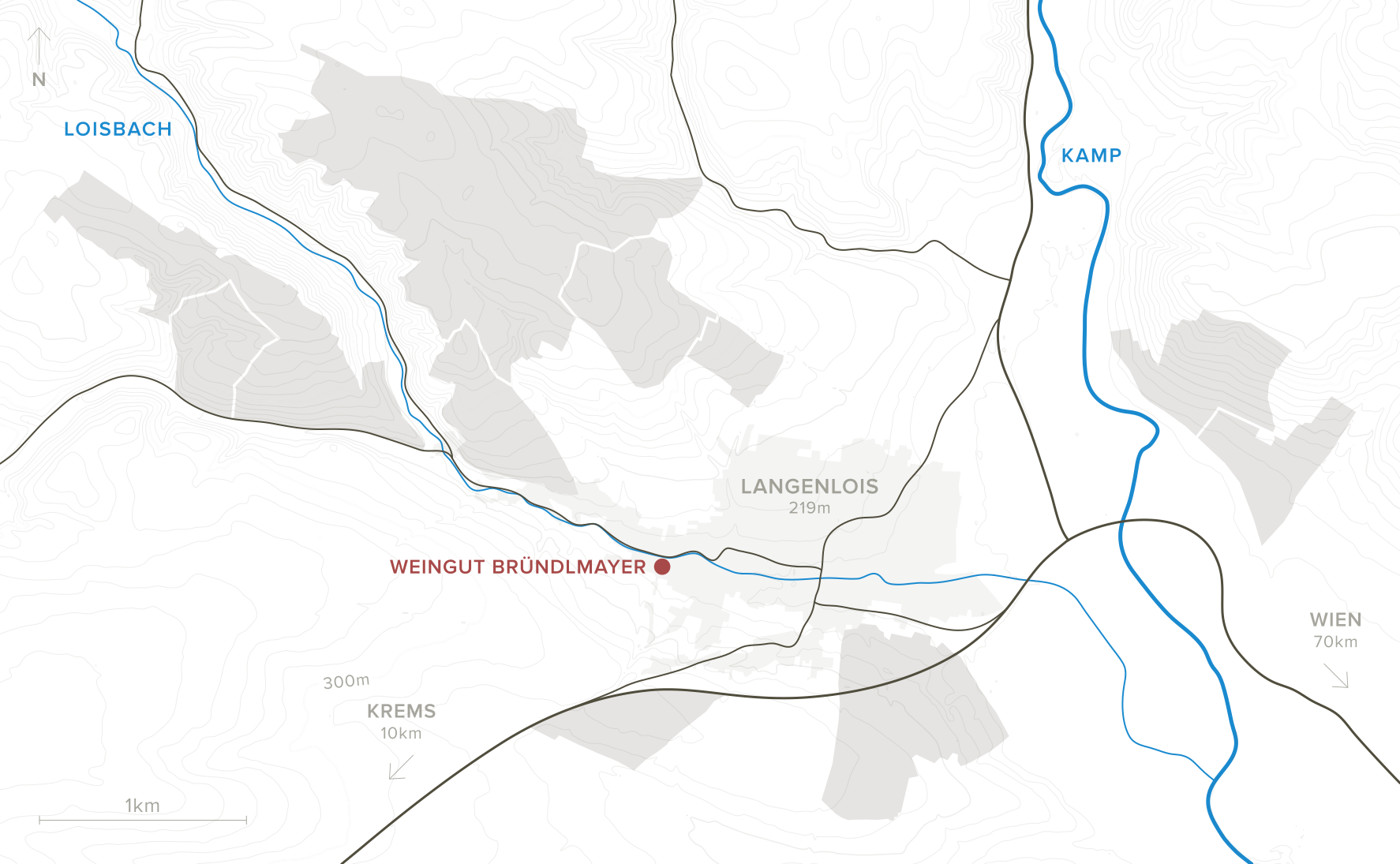
The two neighbouring vineyards, Loiserberg and Berg Vogelsang rise to 380 meters above sea level, they are windy and experience extreme temperatures. The difference is that the Grüner Veltliner from “Loiser Berg” grows on a south to southeast facing slope, which is less exposed to the winds.